|
The Ghosts of the
Cities:
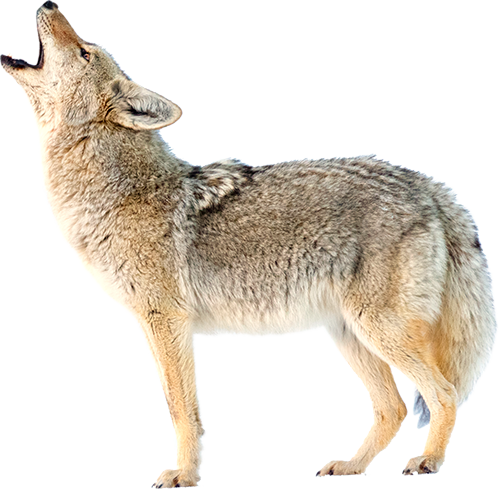
Originally known as ghosts of the plains,
coyotes have now become ghosts of the cities, occasionally heard
but rarely seen.
Although
a relatively recent phenomenon, coyotes have become the top
carnivores in an increasing number of metropolitan areas across
North America. This includes one of the largest urban
centers in the Midwest — the Chicago metropolitan region.
However, compared to other urban wildlife, we know very little
about how coyotes are becoming successful in landscapes
dominated by people.
Learn more about coyotes
here .
|
Our limited
understanding of how coyotes succeed in urban landscapes hampers
management of this animal.
Even knowledge of their basic ecology is
incomplete. This is important because diets, social behavior,
movement patterns and survival may change with urbanization.
Nevertheless, as coyotes become increasingly abundant in the
cities, so does the need for basic information to develop
management strategies. In areas where coyotes have existed with
people for some time, such as the southwestern United States,
conflicts with coyotes threaten the health and well-being of
people and pets.

See
Management for more information.
|
|
The emergence of
urban coyotes and conflicts with people raise some
important questions, such as:
-
Are extreme conflicts the inevitable result of the
relatively recent emergence of coyotes in Midwestern and
eastern U.S. cities?
-
What are the full ramifications for people, pets, and other
wildlife when this remarkable canid suddenly becomes a
neighbor?
-
Are coyotes synanthropic species, i.e. do coyotes reside in
urban areas because of an attraction to and benefit from
human activities in urban areas?
-
How does coyote behavior differ in areas with limited
natural habitat and intense human presence from behavior
exhibited in rural areas?
-
Does coyote use of the landscape vary by sex, age, season or
social status?
-
How do mange and heartworm affect coyote population dynamics
and behavior? How does the landscape affect disease
transfer? What are the implications for people and pets?
|
A
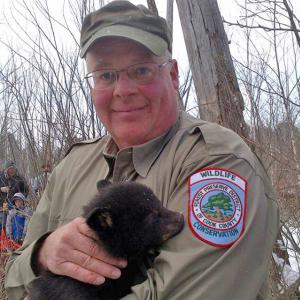
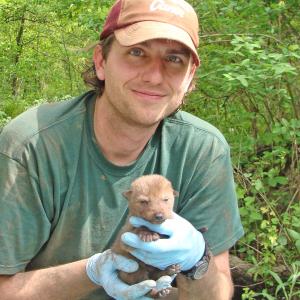
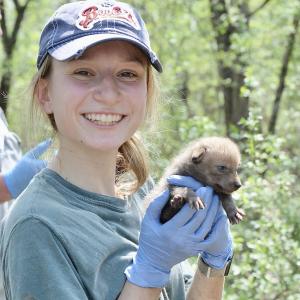
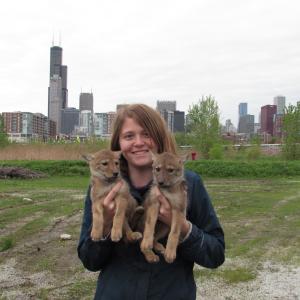
Snapshot of Our Study: In addition to trapping adult coyotes, we
also mark pups from natal dens during the spring. Pups are
weighed, sexed, and a microchip is placed under the skin for
identification if they are captured later.
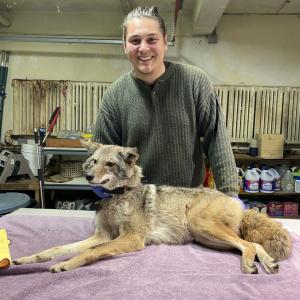
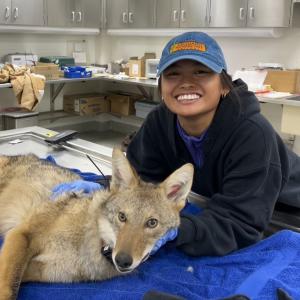
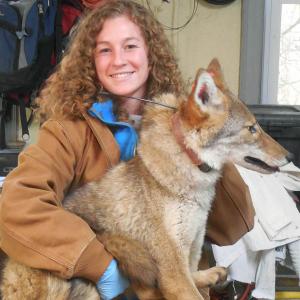
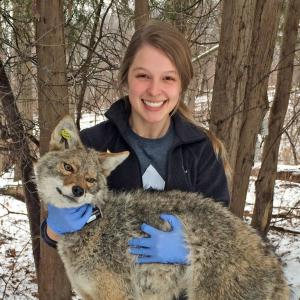
Each coyote that we capture is moved to a
lab, where it is measured, weighed, inspected for health and
condition, tagged with numbered ear tags, and fitted with a
radio collar.
Radio collars allow us to follow coyote
movements and identify causes of death if coyotes die.
After processing and collaring captured coyotes, we always
release coyotes where they were caught; we do not move coyotes
from one area to another as part of the project.

A litter of pups taken from a den, marked,
and then returned. As part of this research, it is necessary to
capture and radio collar coyotes. We use humane traps and are
very restricted when and where they are placed.
To learn more about our methods and project objectives, see
Our Project.
|
|
Is it a
coyote or not?

Although it might pass as a medium-size domestic dog, the
coyote has a few noticeable characteristics that sets him
apart from the average pet.
Learn More
|
Are there coyotes around my house?

Coyotes may not be as rare in the city as you think. How can
you tell if they are nearby?
Learn More:
|
Featured Coyotes-Meet Big Mama.

Our research team has
been tracking coyotes for 8 years. Here
are some current
reports about a couple coyotes and their packs.
Learn More |